Card Networks and Payment Rails

What actually happens when a card is tapped

Follow a card payment from the terminal through the network, the issuer, and settlement, and see where the money waits along the way.

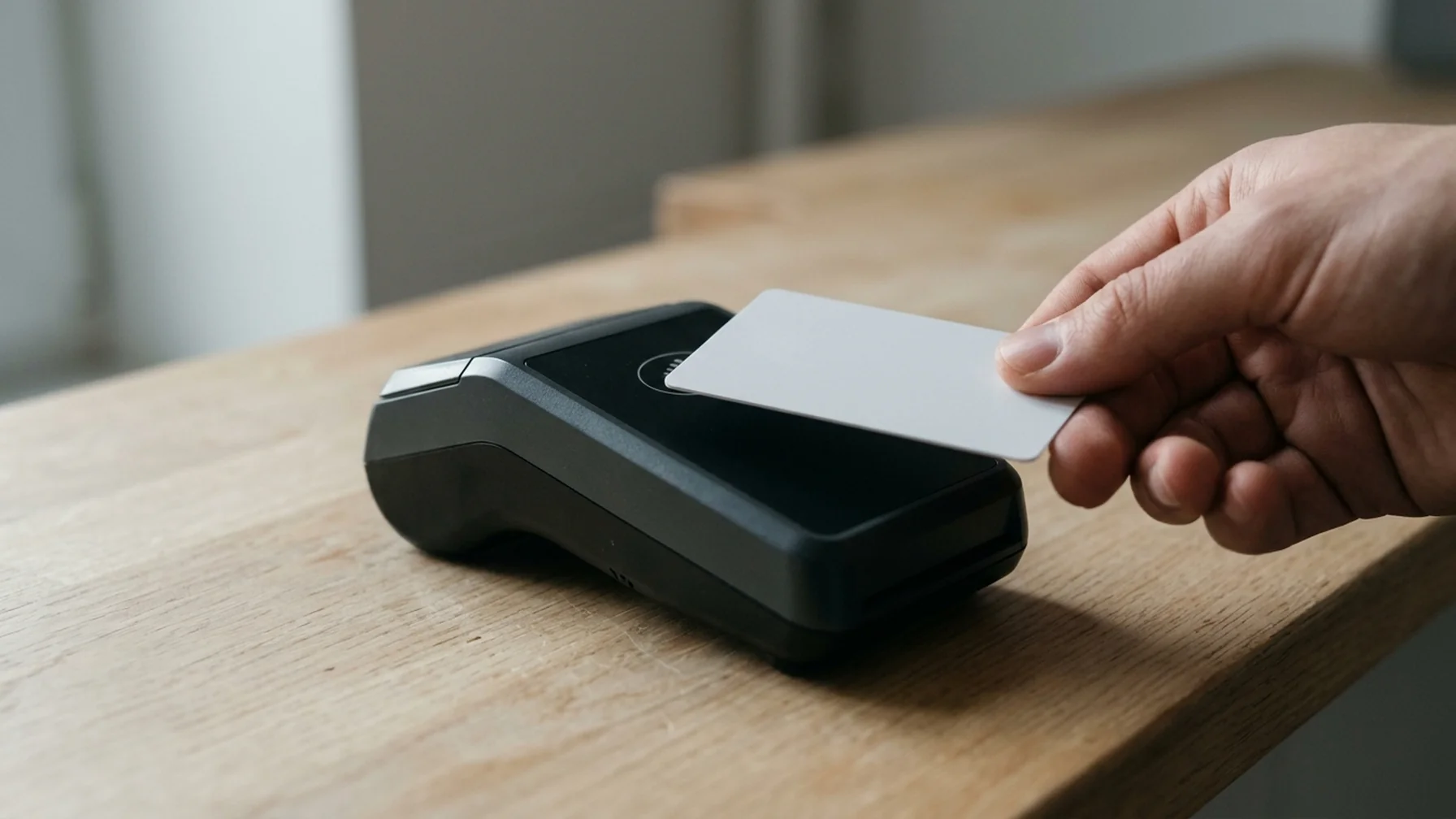
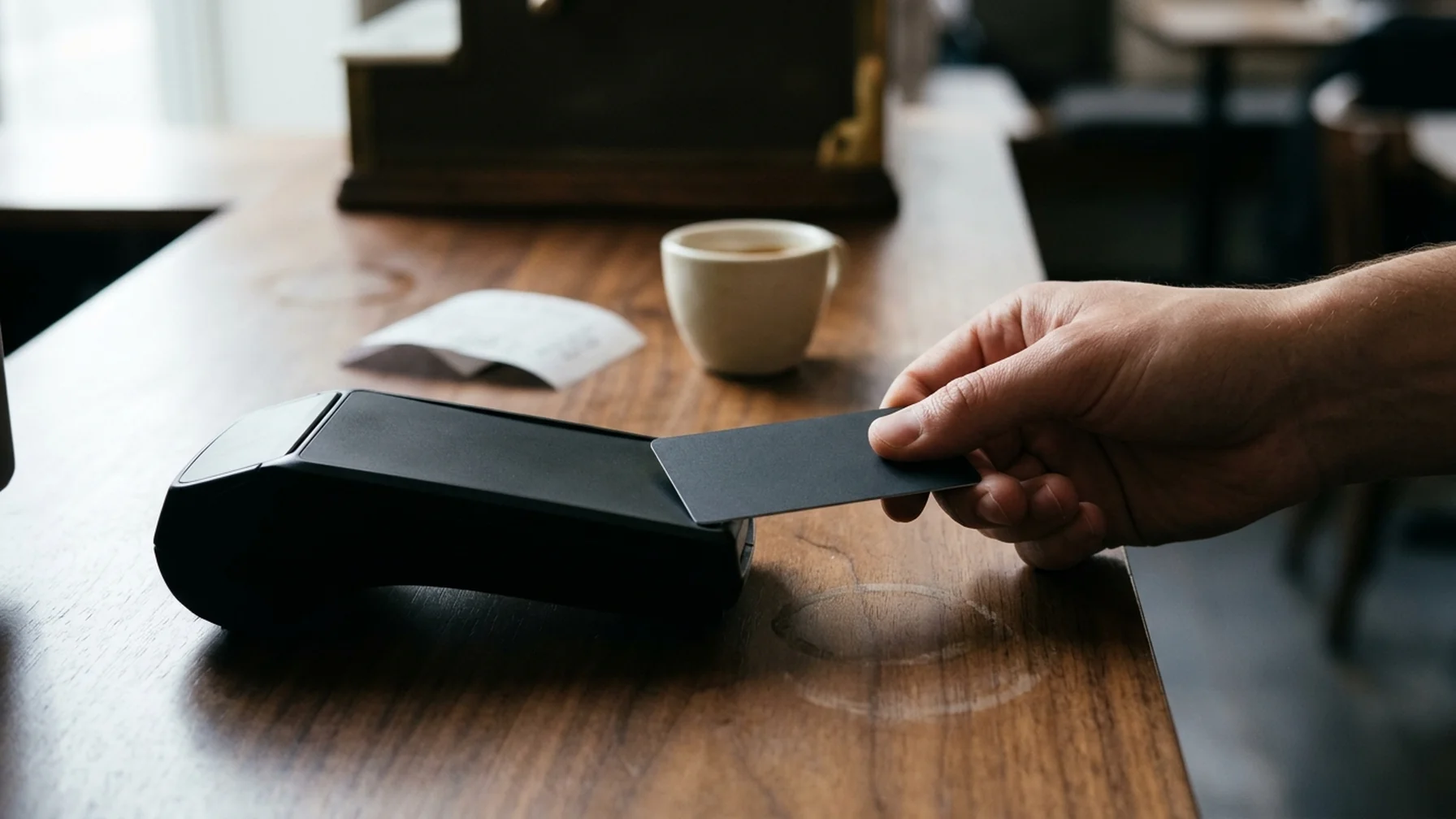
Close-up of a customer's hand tapping a contactless bank card against a payment terminal on a café counter, with a paper receipt and a ceramic cup nearby

What You Get From This Site

Each section explains a payment method by the rails it runs on, who accepts it, and where it breaks down.

01

See how each rail actually settles

Follow a card payment from authorization to clearing, or a real-time transfer from the sender's bank to the recipient's account. The point is the sequence: who holds the money, who takes the risk, and how long the final step takes.

Card networks and payment rails
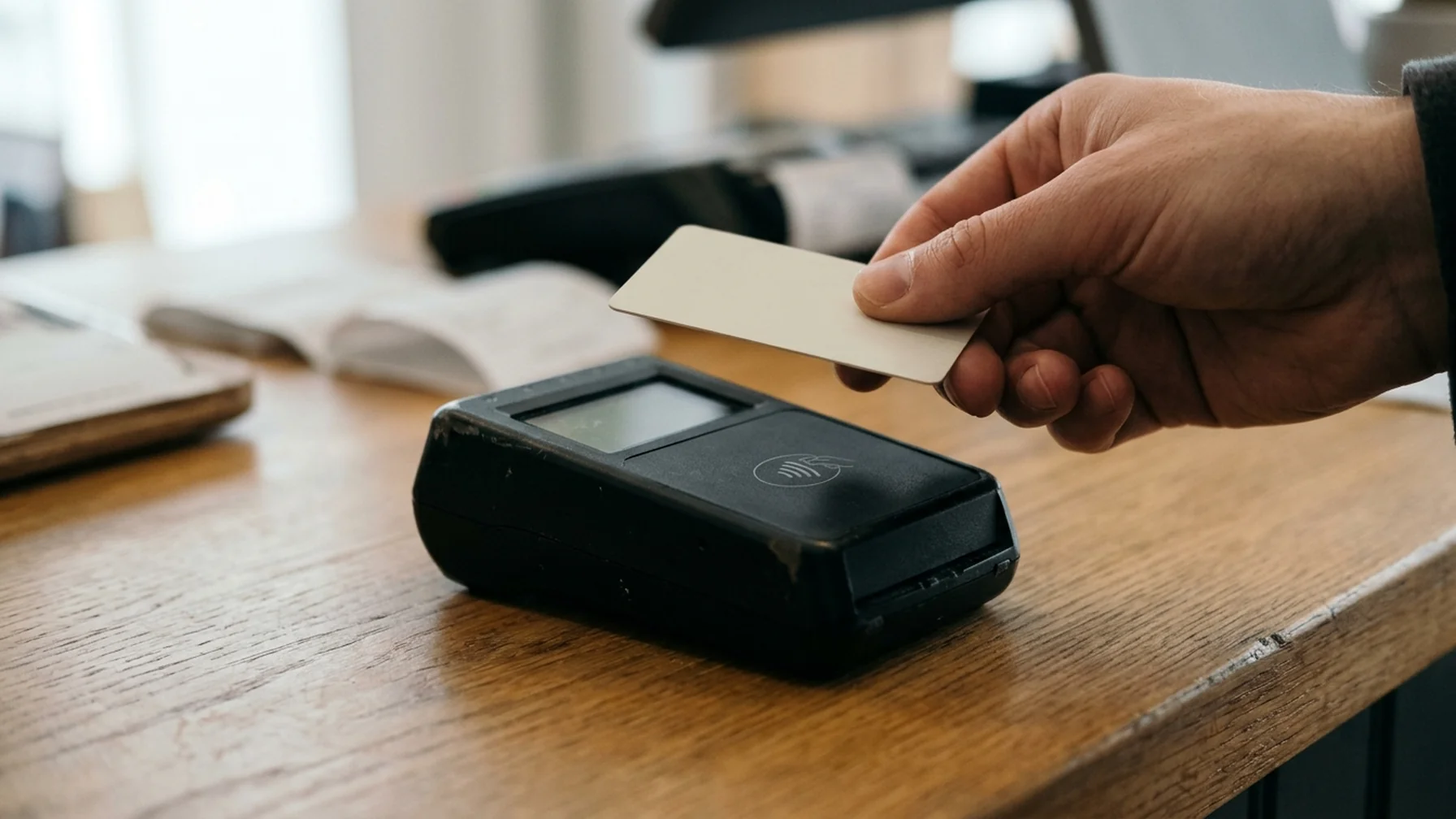
Close-up of a payment terminal on a wooden counter with a customer's hand tapping a card, soft daylight from a shop window

02

Compare costs across borders

Cross-border payments differ in where the fee is taken: a markup hidden in the exchange rate, a flat transfer fee, or a charge passed to the recipient. Knowing which one applies tells you what a transfer really costs.

Cross-border fees and settlement
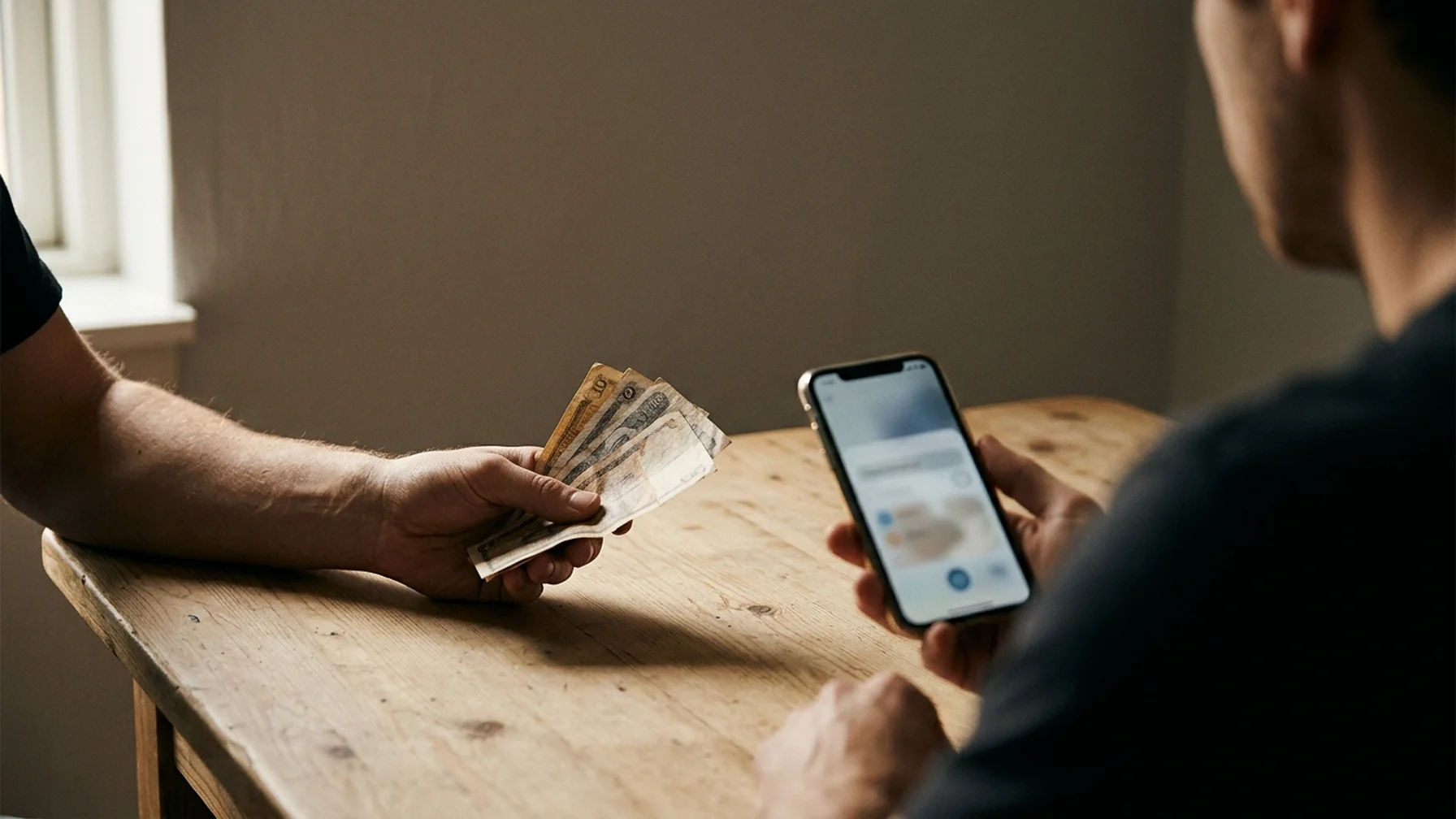
Two hands across a table exchanging banknotes and a phone showing a transfer screen, warm indoor light

03

Know which channels work offline

Cash, vouchers, and agent networks still carry a large share of payments where card coverage or connectivity is thin. These pages cover how those channels are issued, redeemed, and reconciled.

Cash and offline channels
A market stall vendor counting cash into a worn metal box beside paper vouchers, morning light
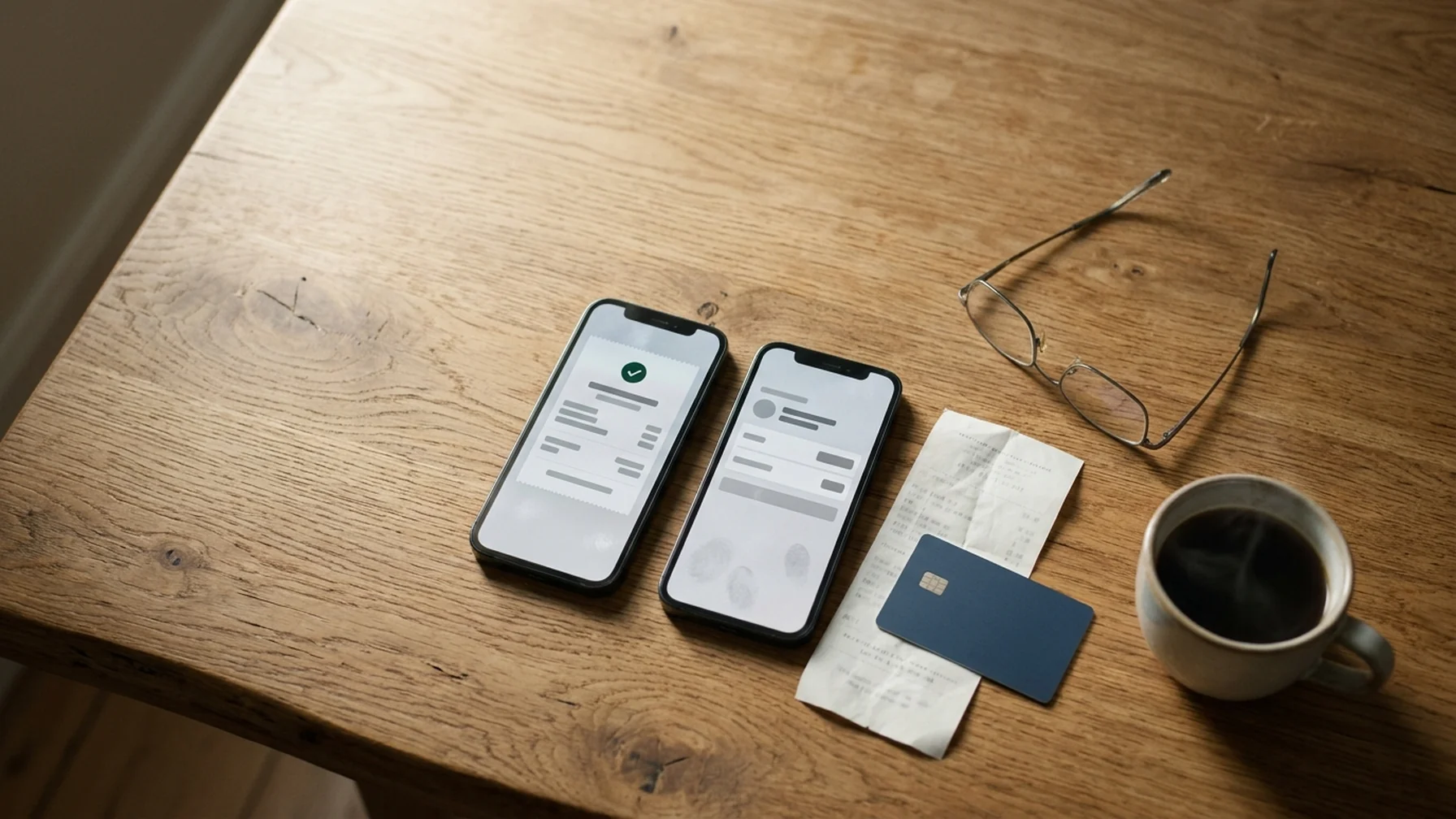
A person at a kitchen table comparing two phone screens, one showing a card payment receipt and the other a bank transfer confirmation, with a paper receipt and a bank card beside a coffee cup in daylight.

Payment rails

Why the same payment takes a different path

A card payment and a real-time bank transfer can settle in seconds or days depending on which rails, currencies, and intermediaries sit between the buyer and the seller.

  • Card payments move through card networks, with an authorization hold before settlement
  • Bank transfers can clear in seconds on real-time systems or take days across borders
  • Wallets often wrap a card or bank account rather than holding money themselves
  • Cross-border transfers add currency conversion and correspondent banks to the chain
Browse payment method explainers

How Money Moves Around the World

Five payment rails do most of the work globally, and each one fails differently when it crosses a border.

Close-up of a payment terminal on a counter, a card being tapped, soft daylight from a nearby window

Card Networks and Payment Rails

Visa and Mastercard move authorization messages between acquirers and issuers in seconds, but settlement happens later. That gap explains chargebacks, holds, and why a declined card often has nothing to do with your balance.

Read about card networks
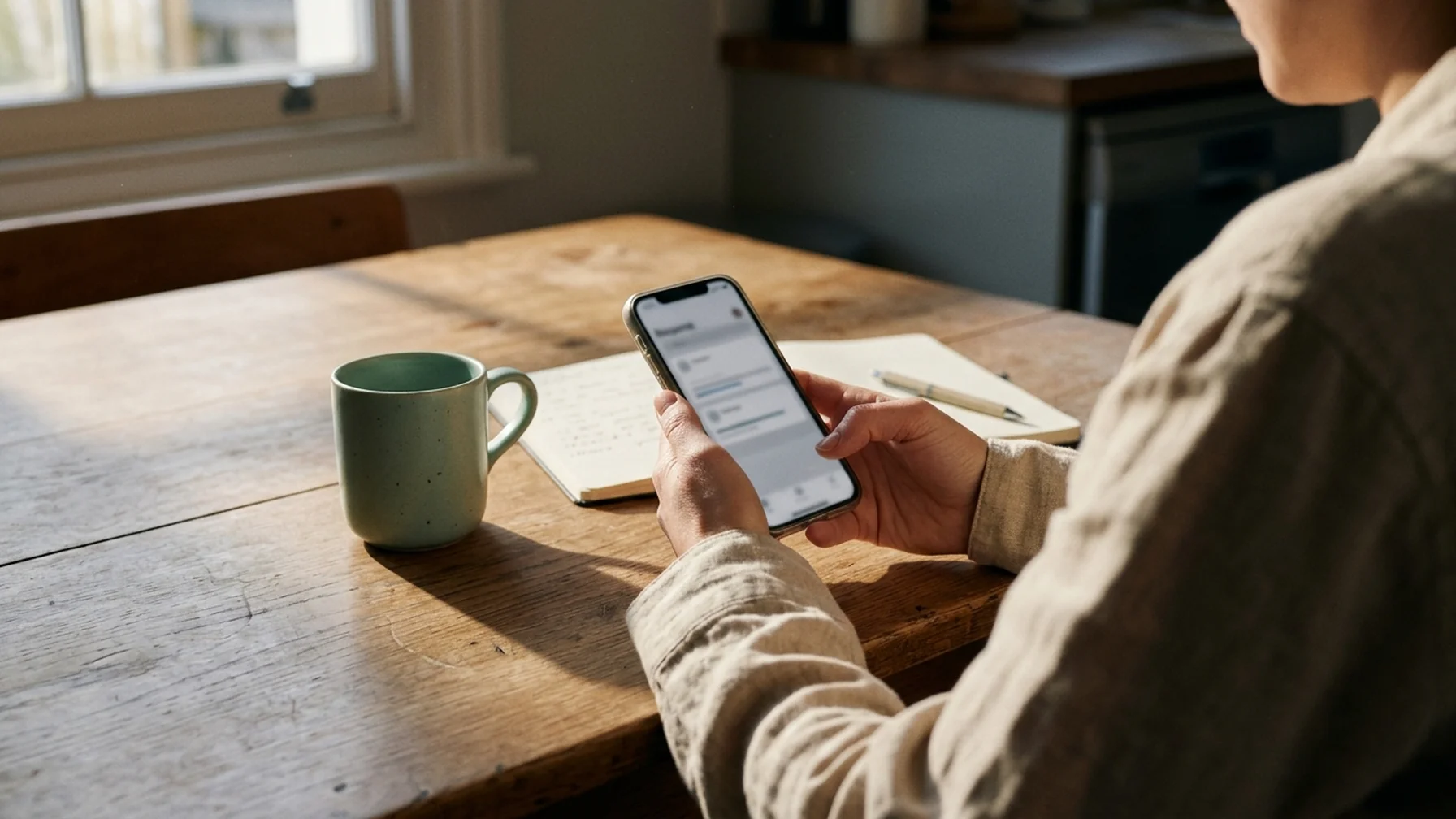
A person checking a banking app on a phone at a kitchen table, morning light across the surface

Bank Transfers and Real-Time Rails

Systems like FedNow, SEPA Instant, and UPI settle in seconds, but each has its own cutoffs, message formats, and limits. Knowing which rail a transfer uses tells you whether funds arrive in a minute or on the next business day.

Read about real-time transfers
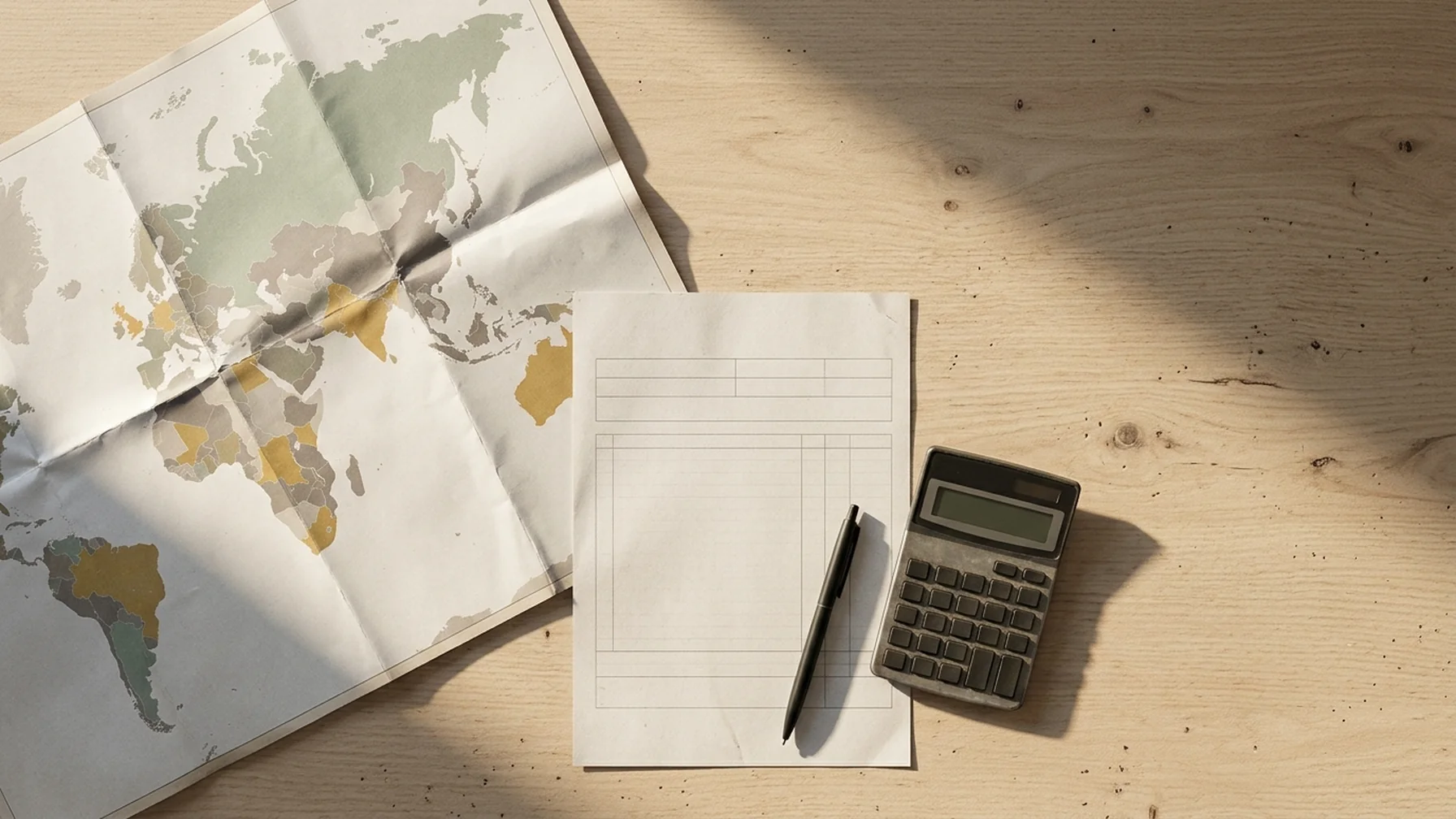
A desk with a world map, a printed transfer form, and a pen, lit by afternoon sun

Cross-Border Payments, Fees, and Settlement

A payment that crosses a border may pass through correspondent banks, currency conversion, and sanctions screening before it lands. Each hop adds a fee and a delay, and the exchange rate applied is often set by an intermediary rather than the sender's bank.

Read about cross-border fees

Card Networks and Payment Rails

What happens between tap and cleared funds

A card tap sets off a chain of authorization, clearing, and settlement steps, and each one can fail or add cost in its own way.

Read articles on card networks

Email briefing

Follow how payment methods change

One email when we publish a new explainer on rails, wallets, cash channels or cross-border settlement.

We use your address only to send these explainers. Unsubscribe from any email. We do not sell addresses or share them with advertisers.